Mithun Shanbhag
blog | twitter | linkedin | github | insta

Quick links
Conquering fear
Published on 27 Aug 2026 by Mithun Shanbhag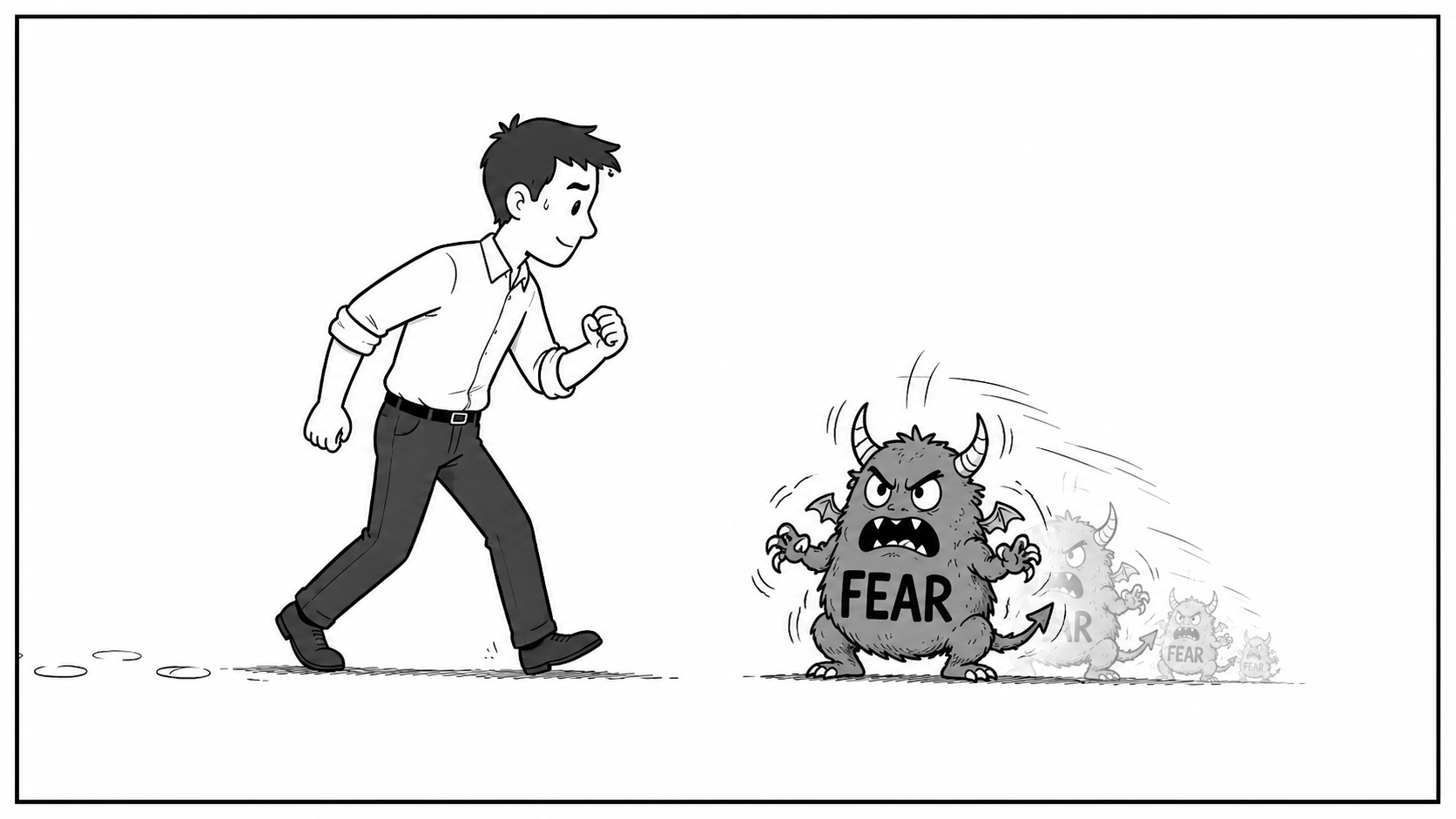
“Life shrinks or expands in proportion to one’s courage.” - Anais Nin
“Everything you want is on the other side of fear.” - Jack Canfield
What’s in your cocktail?
What we loosely term as fear is generally a cocktail that your brain blends together from multiple ingredients: anxiety, shame, guilt, humiliation, embarrassment, regret, uncertainty, helplessness, inexperience, inhibitions, unfamiliarity, vulnerability, apprehension, despair, ego, unhappiness, insecurities, laziness, inertia, reservation, misgiving, mistrust, and many more. Yes, and fear itself.
Sip this cocktail, and you’ll be in a perpetual state of anxiety-driven paralysis.
No silver bullets
But know that there is no workaround; we have to take these fears head-on: we have to acknowledge them, define them, face them, and ultimately take action to conquer them.
Growing up as a kid, and for the early part of my adult life, my fears were mostly about embarrassing myself in front of my friends/peers/coworkers.
Later in life, my fears evolved too. As a business owner and organization leader, I dreaded dealing with govt officials, dealing with paperwork, talking to customers, and asking people for favours/help.
Note: I did say these fears were irrational 😀.
What worked for me
I can attribute most of my personal & professional growth to simply taking my fears head-on. A few things that have helped me tremendously:
Fear-setting exercise
Tim Ferriss’ process and framework around tackling fears has been particularly useful.
- First, I acknowledge and write down my fears.
- Then I write down the worst-case scenarios for each fear.
- Then I write down what I’ll do should that worst-case scenario ever materialize.
As an example, I have a (possibly irrational) paranoia about losing my phone. So I did a simple fear-setting exercise, documenting the worst-case outcomes and the steps that I can take to prevent/mitigate them (LINK).
Having a bias for action
As Jeff Bezos recommends, take SOME action. ANY action. Basically, just put something into motion.
Understanding what’s in my cocktail
I highly recommend the books by Brené Brown, Chip Conley and Marshal Goldsmith. They’ve helped me introspect on many of my own fears, insecurities, and triggers.

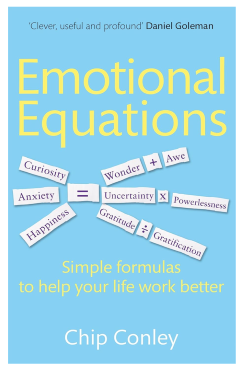

For me, a powerful framing equation was Anxiety = Powerlessness x Uncertainty. Anxiety is anticipatory; it’s the feeling you get when you have no control over a situation and do not know what will happen next. Reduce it by reducing uncertainty (ask questions, gather facts, and learn more about the situation) and by reducing your powerlessness (e.g., build a support system).
What’s real? What’s imagined?
“We suffer more in imagination than in reality.” - Seneca
“I am an old man and have known a great many troubles, but most of them never happened.” - Mark Twain
“Fear is a gigantic demon that shrinks when you approach it.” - A parable from Indian mythology
Fear scares us INITIALLY and IRRATIONALLY. Take solace in these two facts:
-
Almost everything seems scary the first time around: Driving, swimming, public speaking, asking someone out, hiring someone, purchasing a home, yada yada. Once you take some action, you soon realize that your fears aren’t as bad as you thought they’d be.
-
Most fears are just imaginary/irrational: As soon as you take some action, you’ll realize that:
- the worst-case scenario isn’t as bad as you thought it’d be. OR
- the probability of anything bad happening is extremely low. or
- should anything bad happen, you can handle/mitigate it. OR
- should anything bad happen, you can recover from it. OR
- You can prevent anything bad from happening in the first place.
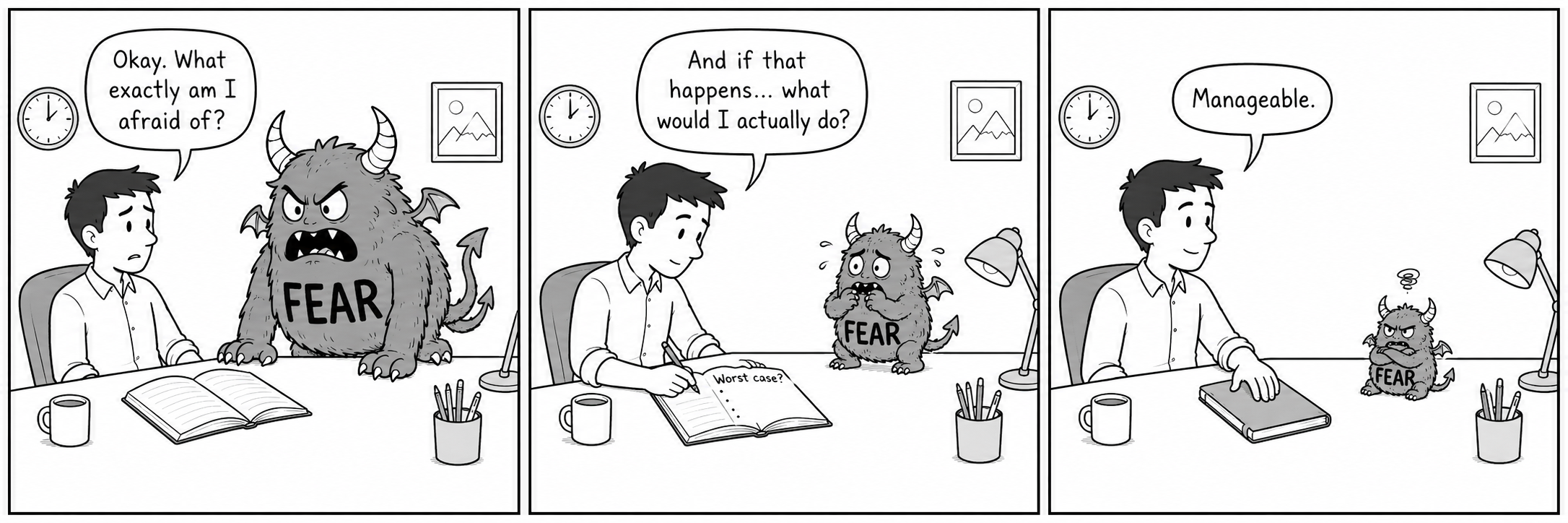
The more you face your fears, the more they shrinks. Crucially, as organizational leaders, conquering your fears lowers your barrier to taking risks. More on that some other day.
What’s your equation with fear & anxiety? How do you cope with it? How do you overcome it? Any interesting stories or anecdotes to share? Please leave a comment below.